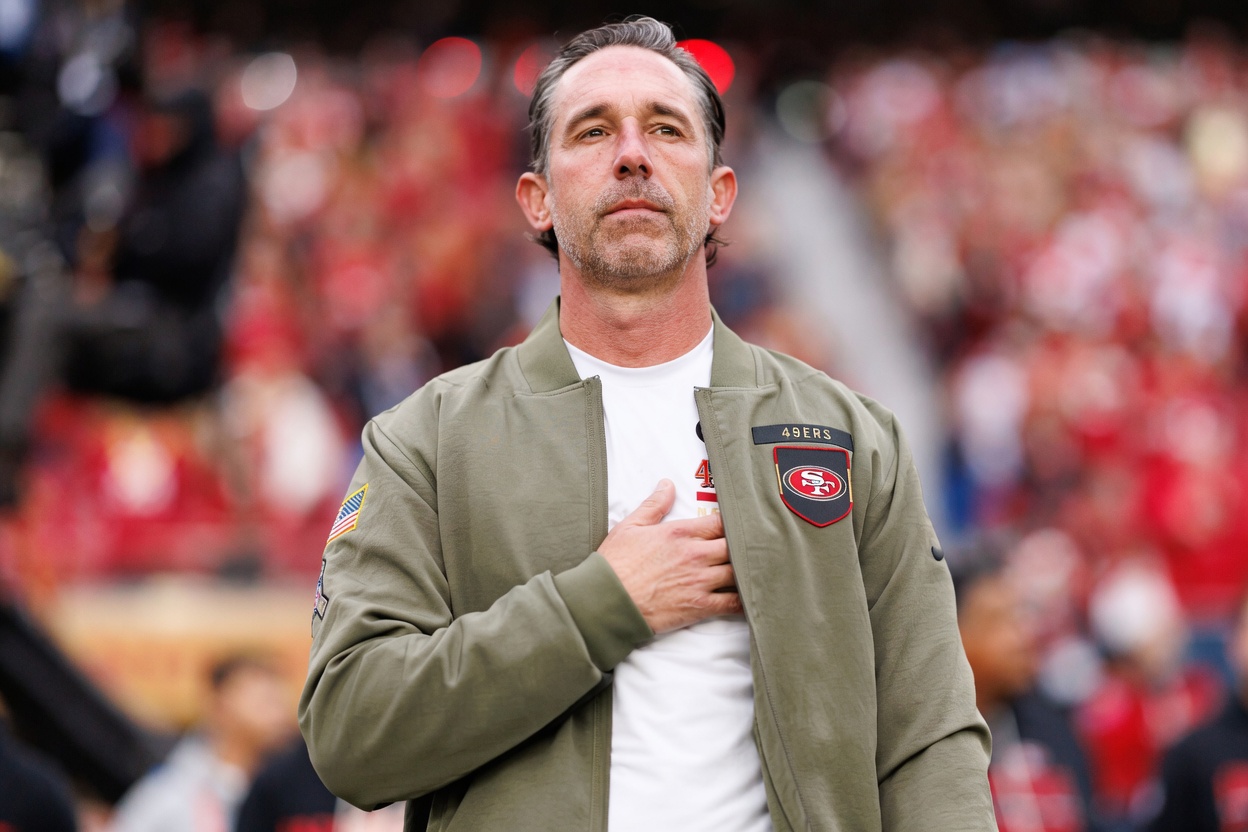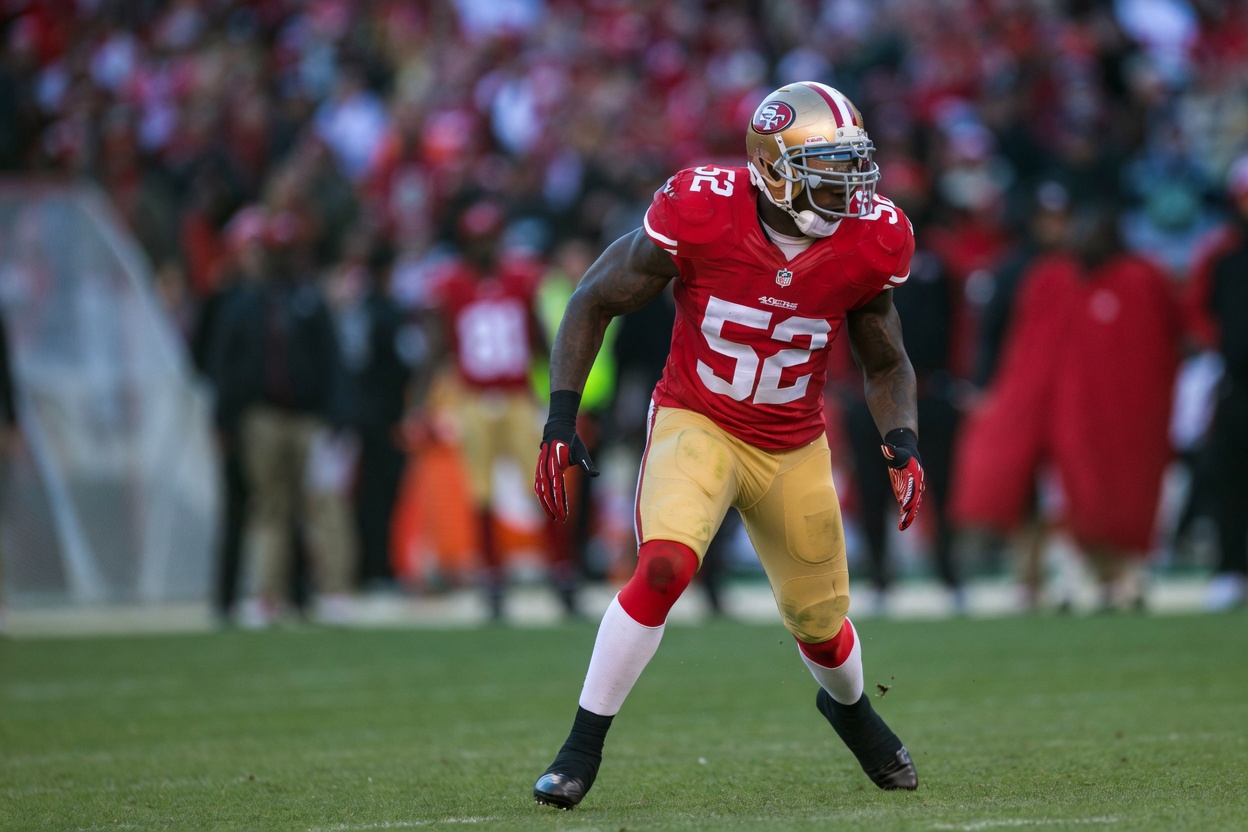
San Francisco, California – Jauan Jennings’s journey through the NFL has always been more than numbers and clutch catches — It has been a story about connection, identity and the enduring bond between a player and a city that embraced him as one of its own.
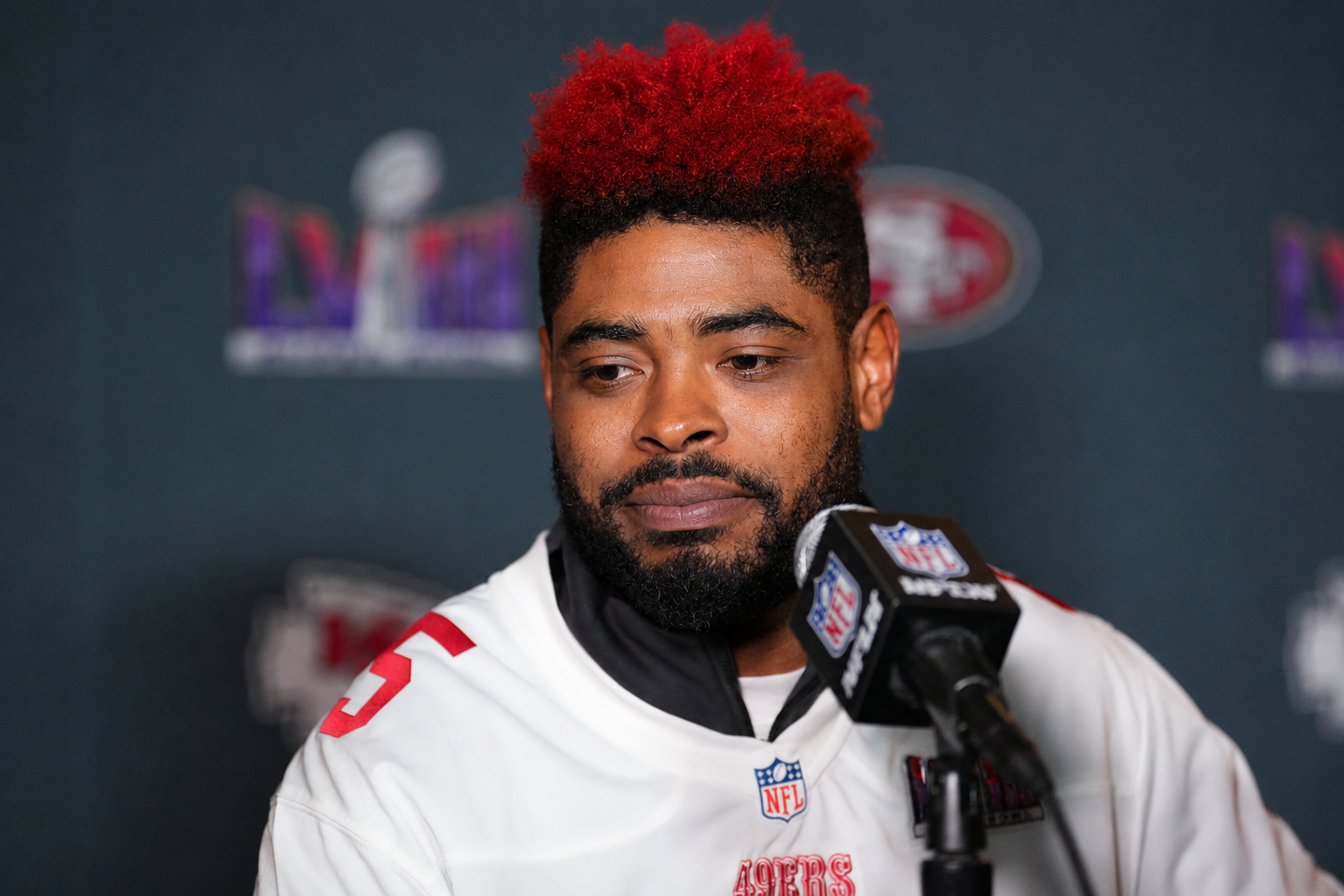
After six seasons as a cornerstone of the San Francisco 49ers (2020–2025), Jauan Jennings’s time in the Bay Area came to an emotional close in the 2026 offseason when he signed a one-year contract with the Minnesota Vikings.
Rather than simply move on quietly, Jennings took to social media with a heartfelt farewell that resonated deeply with 49ers fans. He thanked the city of San Francisco for embracing him “like family,” writing that the city didn’t just support him — it gave him purpose and a sense of belonging.
For a wide receiver whose résumé includes 75 games played (32 starts), 210 receptions for 2,581 yards and 22 touchdowns, along with his reputation as one of the league’s most physical blockers at the position, it might be expected that his legacy could be defined by statistics alone.
Yet Jennings’s impact in San Francisco was never just about catches or yards. It was about the identity he forged with a fanbase that cherishes grit, reliability and loyalty.
To the 49ers faithful, he wasn’t just a wide receiver — he was their beloved “DAWG,” the heart and soul of the team, a symbol of relentless toughness, selfless play, and a willingness to sacrifice everything for the greater good.
Thank you, JJ ❤️💛
— San Francisco 49ers (@49ers) May 13, 2026
📰: https://t.co/y2CM20TIKl pic.twitter.com/ESH8P7Xv7d
That emotional connection traces back to Jennings’s humble beginnings at the University of Tennessee and blossomed inside Levi’s Stadium.
From his early days as a seventh-round draft pick fighting for snaps to becoming a symbol of the 49ers’ blue-collar ethos, Jennings played with a style and work ethic that mirrored the fans he inspired.
Even in departure, the “echoes of San Francisco” remain audible. Fans still speak of his quiet leadership, his selfless blocking, his relentless toughness, and the way he embodied everything the franchise’s supporters have longed for: determination, resilience, and heart.
On social media and in fan communities, many 49ers supporters said they would continue rooting for him no matter where he played — a testament not just to his excellence, but to his character.
Jennings’s farewell message reflected this duality: while he acknowledged the business side of the sport, his words underscored a deeper truth.
He described San Francisco as a place where he “grew roots,” found a home, and felt a love like nowhere else. He emphasized that the city’s spirit — its grit, its passionate fanbase, its community resilience — had shaped him almost as much as he shaped the 49ers’ identity during his tenure.
In Minnesota, Jennings continues his career, but the shadow of San Francisco lingers. He carries memories of those clutch moments in the red zone, of locker room bonds, and of a community that embraced him not just for the plays he made, but for what he meant to the culture of a franchise always chasing greatness.
That Jennings continues to speak warmly of San Francisco, even after moving on, says as much about the man as it does about the city he left behind.
For many NFL players, departure is a footnote. For Jennings and the city of San Francisco, it was a defining chapter — one of mutual loyalty and respect that will echo long after his jersey has been retired.