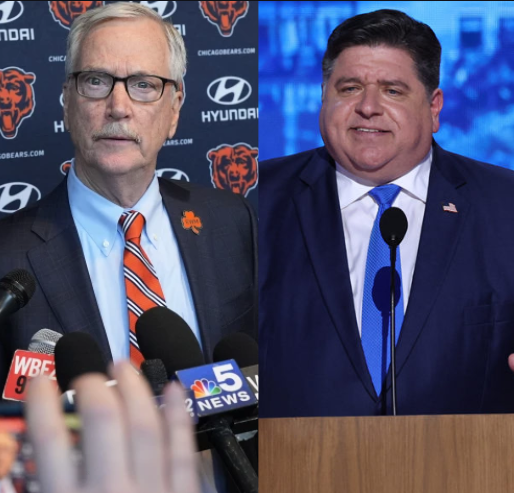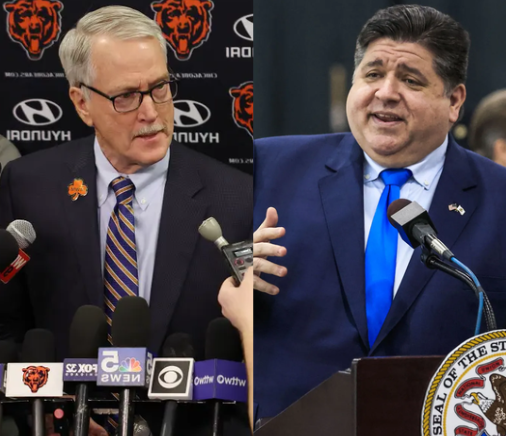
Chicago, Illinois – Less than 12 hours after the Chicago Bears officially unveiled their massive $4.7 billion Soldier Field renovation project, an emergency decision from Governor JB Pritzker triggered explosive outrage throughout the Bears community.
According to multiple Illinois sources, Pritzker signed an emergency order temporarily halting the project’s financial approval process in order to launch a special review involving concerns surrounding public funding and long term state infrastructure commitments.
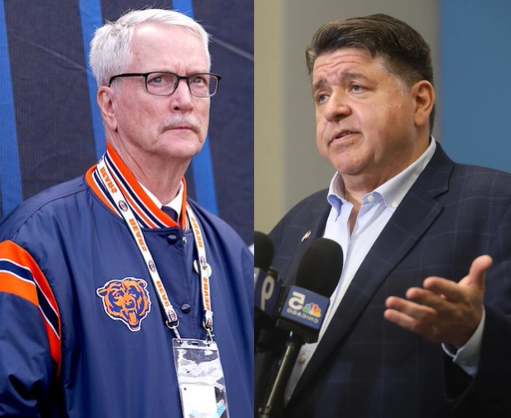
The announcement came only hours after the Bears delivered a spectacular presentation showcasing the stadium’s futuristic dome redesign and surrounding entertainment district plans publicly afterward.
The original unveiling generated enormous excitement throughout Chicago after the organization revealed:
- a 78,000 seat stadium capacity
- the NFL’s largest immersive video display system
- a $1 billion commercial entertainment district
- more than 21,000 projected annual jobs.
However, the atmosphere reportedly shifted dramatically Tuesday morning after the governor’s office released several controversial financial figures tied directly to the massive redevelopment proposal afterward internally.
According to preliminary reports, the state of Illinois could reportedly become responsible for nearly $1.4 billion involving:
- public transportation expansion
- surrounding infrastructure upgrades
- corporate tax incentives
- electrical and security modernization
- downtown traffic redevelopment.
JB Pritzker reportedly argued the current level of public financial support had “reached a point requiring immediate review” while several Illinois communities continue facing major economic and budget concerns presently afterward.
That decision immediately sparked furious backlash from Bears fans who believe the governor is actively damaging the long term future and economic growth of Chicago itself.
Many supporters argued the new Soldier Field project could potentially generate more than $4.2 billion in statewide economic impact over the next twenty years moving forward afterward.
Several businesses surrounding downtown Chicago also warned that prolonged delays could eliminate thousands of employment opportunities within only the next several months afterward economically.
Multiple Chicago sports radio programs even described Pritzker’s decision as:
“a direct punch to the heart of one of America’s greatest football cities.”
Several NFL insiders reportedly expressed surprise regarding how quickly the governor’s office acted only hours after the project initially received overwhelmingly positive national reactions internally afterward.
Meanwhile, representatives for owner George McCaskey are reportedly attempting to organize emergency meetings with Illinois officials in hopes of saving the renovation proposal entirely afterward internally.
Many financial analysts believe additional delays lasting several months could increase total construction costs by another $400 to $650 million because of material inflation pressures afterward.
Several internal sources also revealed the Bears are increasingly concerned the NFL could begin prioritizing other cities for future Super Bowls and major league events instead afterward.
“The people of Chicago waited years for this moment. When the project was finally revealed, many saw hope for the city, new jobs, and long term economic growth. That’s exactly why the reaction became so emotional after many people started believing the governor’s decision was pulling everything backward again.” – George McCaskey
At the moment, outrage surrounding JB Pritzker’s decision continues escalating rapidly while political pressure throughout Illinois grows stronger by the day afterward internally.
For many people across Chicago, this is no longer simply about a football stadium, but rather a battle involving the future identity, pride, and economic direction of the entire city itself.