Seattle, Washington – Every NFL offseason brings difficult decisions that no franchise wants to make.
This year, the Seattle Seahawks appear to be approaching one of those moments once again.
As the June 1 deadline approaches, teams across the league are taking a hard look at their financial structures.
The Seahawks are no exception.
As Washington State continues to impose a 9.9% capital gains tax on qualifying investment income exceeding $1 million, many large organizations and businesses have become increasingly focused on managing long-term financial obligations.
Some sports finance analysts believe that controlling future costs has become more important than ever for professional sports organizations.
That reality is one reason many observers believe Seattle could make several surprising roster decisions in the coming days.
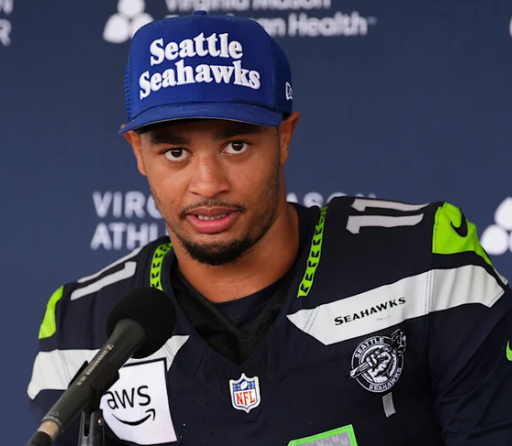
The two names drawing the most attention are Christian Haynes and Patrick O'Connell.
Neither player is considered a household superstar.
However, both have become respected figures inside the locker room and remain popular among Seahawks fans.
Christian Haynes is entering the third year of his four-year rookie contract worth approximately $5.8 million.
Once viewed as a potential long-term piece of Seattle's offensive line, Haynes has yet to make the breakthrough many within the organization hoped to see.
According to current projections, the Seahawks could save approximately $1.322 million during the 2026 season if they choose to move on from him.
The resulting dead cap charge would be only about $260,048.
On the defensive side of the roster, Patrick O'Connell also finds himself facing an uncertain future.
The linebacker is entering the final year of a two-year contract that will pay him $1.145 million this season.
If released, Seattle would free up the entire amount.
O'Connell appeared in nine games last season and earned praise for his relentless effort and competitive mentality.
However, growing competition from Chazz Surratt and Chris Paul Jr. has placed his roster spot under increasing pressure.
Many analysts believe this situation is about more than football performance alone.
It represents the intersection of roster construction, financial planning, and the constant challenge of maintaining long-term competitiveness.
"Teams today aren't just building rosters anymore. They're calculating every dollar years into the future. As financial obligations continue to grow, difficult decisions become unavoidable. That's how the Seahawks survive what many around the league have started calling Washington's millionaire tax."
That perspective has quickly become a topic of debate throughout NFL circles.
After all, the toughest decisions are rarely made because a player lacks talent.
More often, they are driven by the numbers behind the scenes.
For the Seahawks, moving on from either player would undoubtedly create disappointment among fans and teammates alike.
However, team leadership understands that building a roster capable of sustained success sometimes requires sacrifices nobody wants to make.
As June 1 approaches, Seahawks fans are anxiously waiting to see whether Christian Haynes and Patrick O'Connell will ultimately become the first casualties of a new financial reality that is beginning to influence professional sports organizations throughout Washington State.